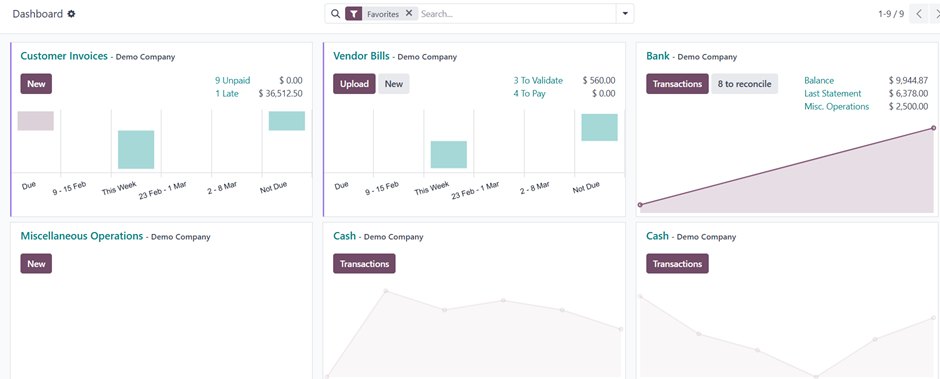
The electronics industry relies on efficient business operations, seamless inventory management, and customer-centric sales strategies. Odoo provides a fully integrated ERP system that streamlines processes across multiple departments, from customer interactions to financial reporting. This article explores how different Odoo modules—Website, CRM, Sales, Inventory, Purchase, Helpdesk, and Accounting—work together to create a smooth and efficient workflow.
1. Inventory Management
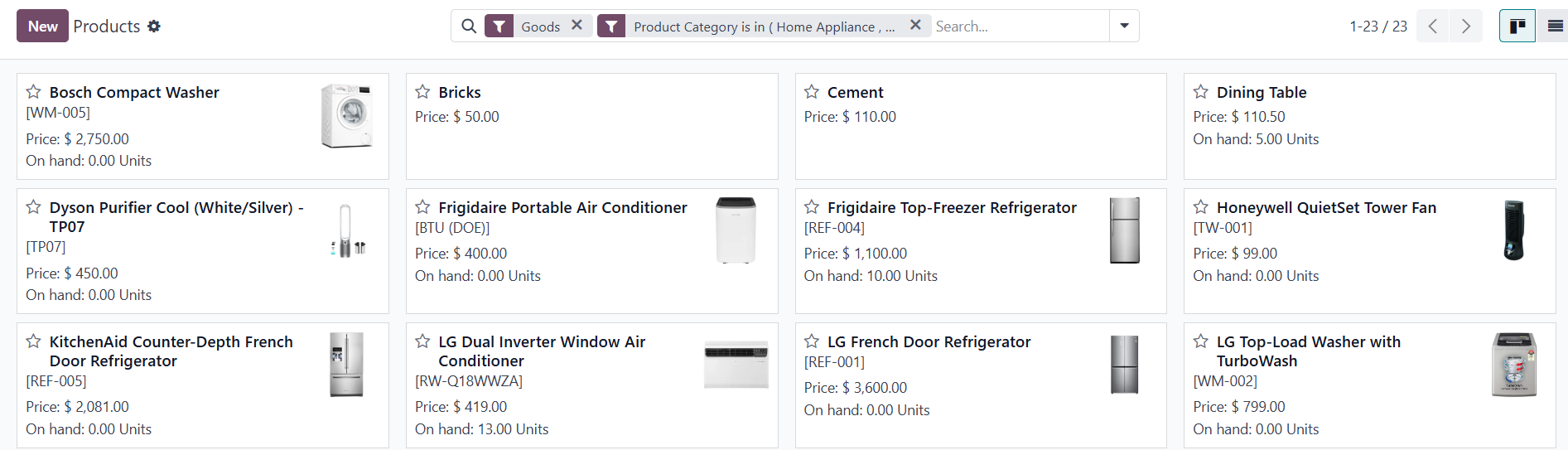
Efficient inventory management is crucial for balancing supply and demand. Odoo’s Inventory Management module ensures businesses maintain optimal stock levels across multiple locations, track product variants, and streamline warehouse operations.
Automated reordering rules to prevent stock shortages
Barcode scanning integration to speed up order fulfillment
Integrated logistics: Coordinate with shipping providers to ensure smooth deliveries and returns.
Product variants: Manage multiple variations, such as different sofa sizes, fabric options, or wood finishes, within a centralized system.
Multi-warehouse management for streamlined logistics
Real-time stock tracking with automated updates
2. Sales Management
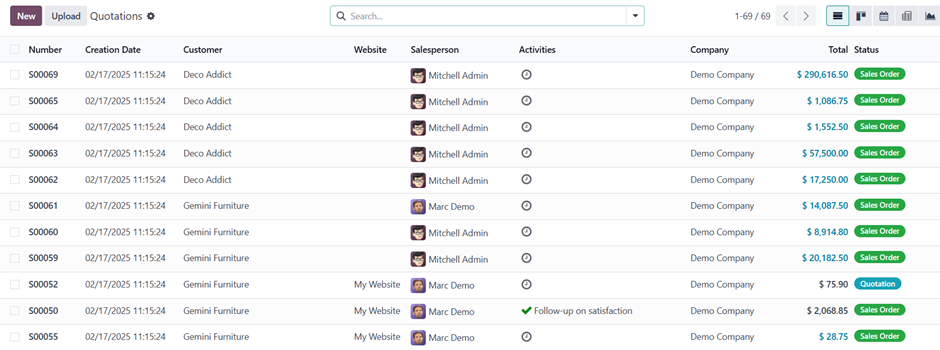
Odoo’s Sales module simplifies the order-to-delivery process by integrating online and offline sales channels, custom order tracking, and automated invoicing.
Dynamic pricing : Adjust pricing based on material costs, labor, and delivery charges.
E-signature integration for secure contract approvals
Upselling & crossselling : Recommend related products to maximize revenue.
Advanced quotation tools: Generate professional quotes with dynamic pricing based on material costs, labor, and delivery charges.
Automated workflows: Orders automatically update inventory, trigger production workflows, and generate customer invoices for faster processing.
Multi-channel selling: Sell seamlessly through retail stores, e-commerce platforms, and marketplaces like Amazon and eBay.
3. Helpdesk
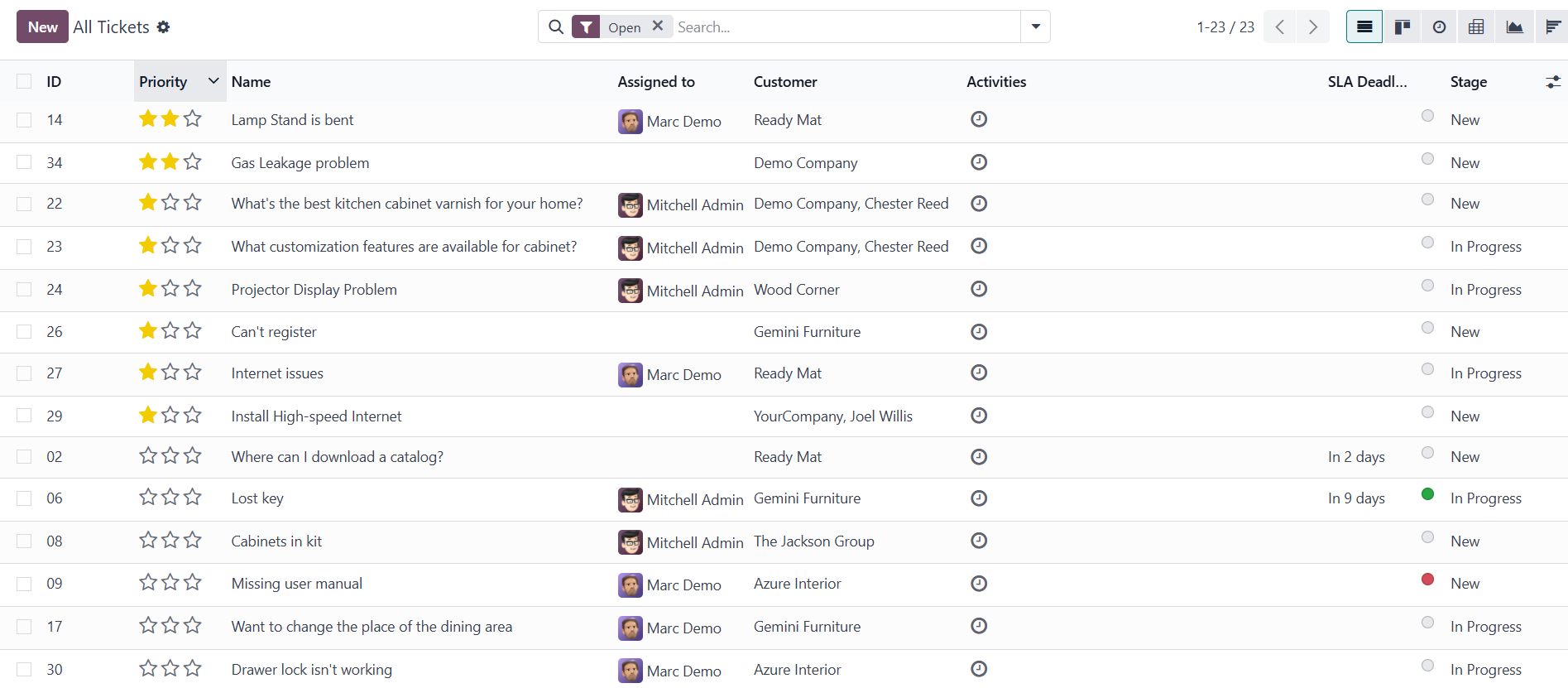
The Helpdesk module is crucial for managing customer inquiries, warranty claims, and support tickets.
Automated ticket creation from emails and website forms
SLA (Service Level Agreement) policies to manage response times
Multi-channel support via email, chat, and phone
Customer self-service portal with FAQs and troubleshooting guides
Integrated reporting tools to analyze support performance
Automated ticket assignment to the right support team
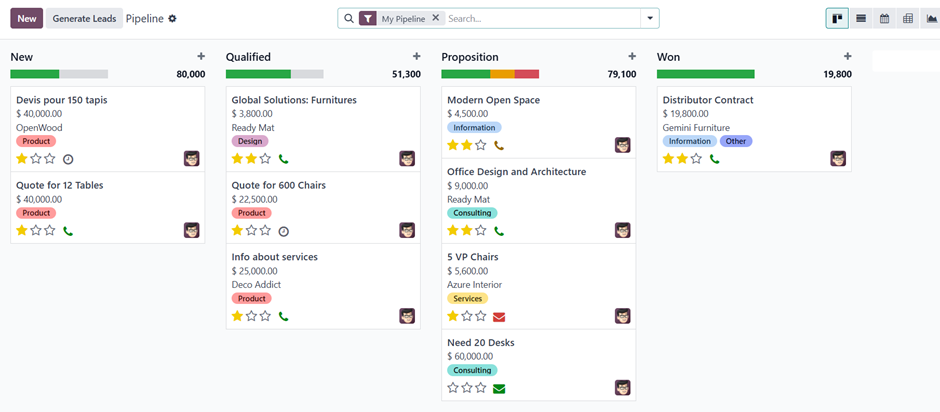
4. Advanced Customer Relationship Management (CRM)
The ability to manage and nurture customer relationships is essential for brand loyalty. Odoo’s CRM module helps businesses maintain strong client connections through personalized engagement.
: Manage consultations for custom furniture design and showroom visits.
Customer feedback management : Collect reviews and testimonials to improve services.
Loyalty programs : Reward returning customers with special discounts and offers.
Automated communication: Send personalized promotions, reminders, and follow-up emails or SMS messages.
Customer analytics: Analyze buying behavior and preferences to refine marketing and sales strategies.
Customer segmentation: Categorize customers based on purchasing history, preferences, and engagement level.
5. Website
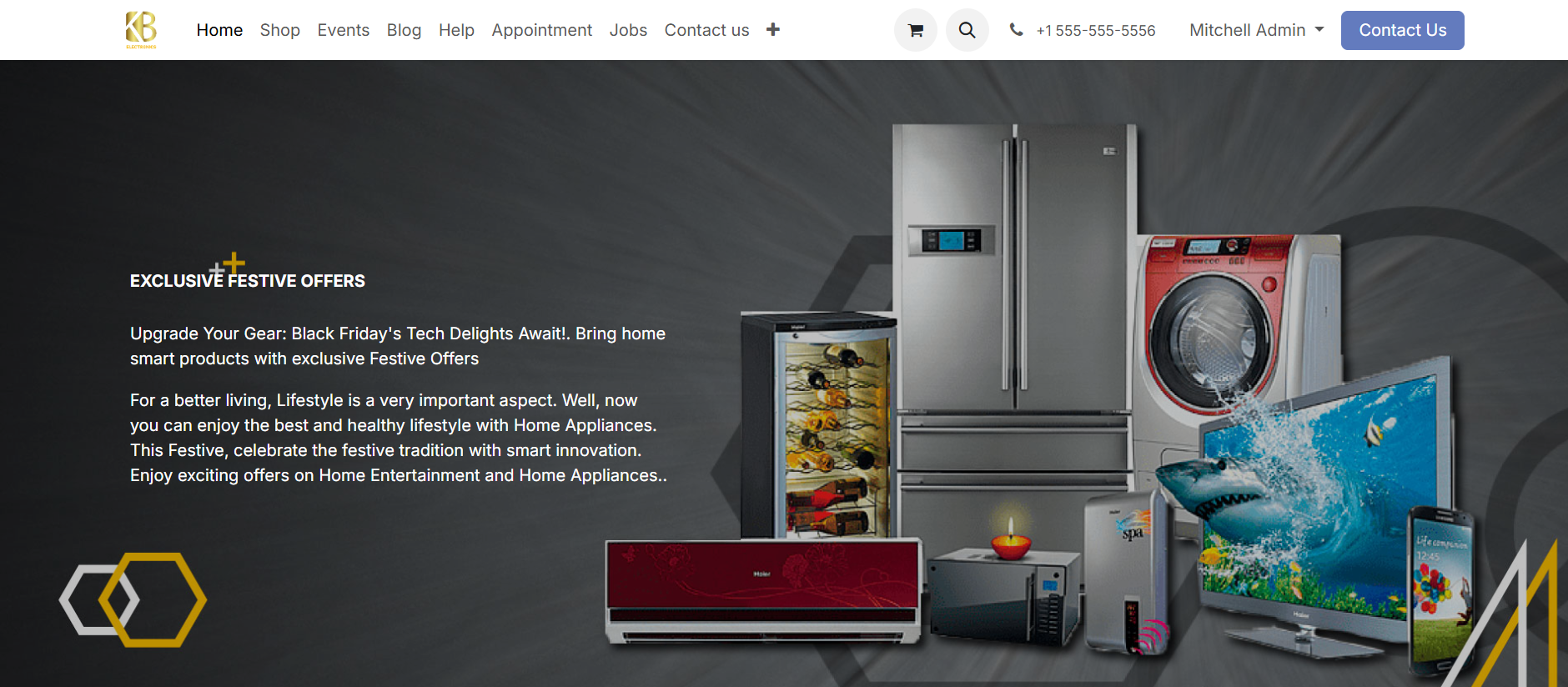
The Website module serves as the online storefront, enabling businesses to showcase and sell electronic products effectively.
Customizable eCommerce platform with drag-and-drop tools
SEO optimization to enhance product visibility in search engines
Product comparison tool for customers to evaluate specifications
Integrated payment gateways for secure online transactions
Customer portal for tracking orders and managing personal details
Live chat support to assist customers in real time
6. Accounting
Managing financial operations in the furniture industry requires precision due to high-value transactions and multiple payment methods. Odoo’s Accounting module ensures businesses stay on top of their finances.
Budgeting & forecasting :
Plan future expenses and revenue projections based on historical data.
Financial reporting : Access real-time profit & loss statements, balance sheets, and cash flow analysis.
Cash flow management: Track incoming and outgoing cash to ensure financial stability.
Automated invoicing: Generate invoices for orders and track payments efficiently.
Multi-currency and tax compliance: Handle international transactions with ease.
Expense and revenue tracking: Monitor raw material costs, operational expenses, and revenue streams.